

A Certified Diabetes Educator's 2 Week Guide to Improve Blood Sugar Levels

Photo by Windows on Unsplash
Being diagnosed with type 2 diabetes can feel overwhelming-like you suddenly have a long list of things you're supposed to change overnight. You've probably heard or read a lot of advice about food, sleep, exercise, medications, and even stress management. It's a lot to take in, and it can be hard to know where to start or how to put it all together. That's exactly why I wrote this article. My goal is to bring those pieces together into a clear, supportive guide-a collection of strategies backed by research and shaped by what has worked for my clients during my years of practice. I've broken them down into daily and weekly action steps to help them feel doable and guided. Feel free to mix them up or jump ahead if you need to. And, of course, if your doctor adds to or changes your regimen, always follow their recommendations.
So here we go!
Week 1: Understanding Your Diagnosis
1. Learn What Type 2 Diabetes Actually Means
You don't need to become an expert, but understanding the basics helps everything make more sense. The hallmark of type 2 diabetes is what your doctor may call insulin resistance which means:
- Your body isn't using insulin effectively.
- Blood sugar stays higher than it should.
- Small daily habits can dramatically improve blood sugar over time.
A little knowledge reduces fear and increases confidence.
See my full article: What is Type 2 Diabetes? for a full, easy to understand, explanation of what's going on in your body.
2. Schedule Your Follow‑Up Appointments
In the first week, make sure you have:
- A follow‑up visit with your primary care provider
- Lab orders, if needed
- A plan for when to call your doctor or schedule a sooner appointment if needed. Have a talk with your doctor about what number is too high or too low that would warrant a call.
These appointments set the tone for your long‑term care.
3. Learn How to Check Your Blood Sugar (If Recommended)
Not everyone needs to check daily, but if your provider recommends it:
- Learn how to use your meter
- Check at consistent times (often fasting + occasionally after meals)
- Write down your numbers or use an app to track them
- Keep a journal of things you eat or new exercises, so you can compare your numbers to your daily life.
You're not aiming for perfection-just patterns that help you and your doctor understand what's going on. Is your blood sugar coming down or going up? What are some of the days and times that your blood sugar might be higher or lower than others? This knowledge helps you and your doctor have great information for what to change (or keep the same) about your lifestyle and/or medications.
Try to avoid extreme highs (values over 250mg/dl) or extreme lows (values under 70mg/dl) and have a plan with your doctor of when to call or follow-up if you are seeing these numbers.
4. Start With Simple, Gentle Food Shifts
You don't need a full diet overhaul in Week 1. Start with small changes that stabilize blood sugar quickly. Trust me, a little goes a long way!
Here are some examples...
Add Protein to Breakfast
Protein helps keep blood sugar steady all morning. Easy options:
- Greek yogurt + berries
- Cottage cheese + fruit
- Eggs or egg‑free scrambles
- Chia pudding with Greek yogurt mixed in
A protein‑forward breakfast can make the whole day feel easier.
Keep Healthy, Low-Carb Snacks on Hand:
- Nuts like walnuts, almonds, or cashews
- Seeds like pumpkin or sunflower
- Greek yogurts
- Berries
- Plums
5. Start Moving Your Body (Even a Little)
Movement is one of the fastest ways to lower blood sugar.
- Aim for 10-15 minutes of walking after meals
- Stretch before bedtime
- Take the stairs in the morning or afternoon
- Park farther away at the store
- You don't need a gym membership, unless you want to!
Consistency matters more than intensity. And always ask your doctor if there are any exercise precautions you should take and get with them if something doesn't feel right!
6. Notice How You're Feeling
Fatigue, thirst, blurry vision, and frequent urination often improve quickly once blood sugar starts coming down.
Track symptoms so you can share them with your provider. Keeping a journal and noticing what foods or activities cause more or less symptoms can help you and your provider determine what is going on with your blood sugars and your body.
Week 2: Building Momentum & Creating Sustainable Habits
1. Create a Simple Meal Structure Using the Plate Method

By Week 2, you may want to start making even more dietary changes. The Plate Method is flexible, forgiving, recommended by the ADA, and works with almost any cuisine.
The Plate Method is one of the simplest ways to balance meals without counting carbs.
Your plate looks like this:
- ½ non‑starchy vegetables (salad, broccoli, green beans, roasted veggies)
- ¼ lean protein (chicken, fish, tofu, turkey, eggs)
- ¼ smart carbohydrate (beans, lentils, quinoa, sweet potato, fruit, whole grains)
This structure helps keep blood sugar steady and makes meal planning feel doable.
Examples:
- Breakfast:
- Greek yogurt + berries + nuts
- Spinach egg scramble with roasted potatoes
- Lunch:
- Salad with chicken or salmon + beans + avocado
- Leftover stir‑fry of chicken or tofu and veggies + small portion of rice
- Dinner:
- Rotisserie chicken with roasted vegetables + small scoop of quinoa
- Beef & cabbage skillet + brown rice
- Baked salmon + side salad + small sweet potato
Here are some plate method recipe inspirations as well:
Tofu, roasted vegetables, and rice: https://flourishwithoutflour.com/easy-tofu-meal-prep-with-veggies-and-peanut-sauce/
A burger bowl (everything is mixed together but it has all 3 components): https://flourishwithoutflour.com/in-n-out-burger-bowl-meal-prep-healthy-gluten-free/
A cabbage and ground meat skillet: https://flourishwithoutflour.com/unwrapped-egg-roll/ (serve with rice or quinoa)
Sheet pan chicken, potatoes, and green beans: https://flourishwithoutflour.com/sheet-pan-ranch-chicken-potatoes-green-beans/
The structure of the Plate Method keeps meals satisfying without feeling restrictive.
2. Address Sweets
One hard part of a new diabetes diagnosis is figuring out what to do about sweets. Some people decide they feel best cutting them out completely, and that's a valid choice. Others find that sweets are something they truly enjoy and don't want to eliminate-or they've tried and it just isn't realistic for their lifestyle.
Week 2 is a great time to address what you want to do with sweets and what works best for you.
Here are a few strategies to help cut back on sweets:
Option 1: Cut Your Usual Portion in Half: If you normally have a large dessert, enjoy half or maybe even ⅓. Eat slowly, maybe even on a small plate or bowl or with a small spoon to feel like you're eating more of it. This reduces sugar load without feeling like deprivation.
Option 2: Choose sweets with less than 10 grams of added sugar per serving. A lot of clients ask me how to pick out a healthy dessert if they are at the store. I recommend starting with trying to find something with under 10 grams of added sugar, even better if it's less than 5 grams. This is a simple, sustainable guideline that helps you enjoy treats while keeping blood sugar steadier.
Option 3: Snack on fruits. Berries, pears, oranges, and plums can be a lower-sugar sweet choice. Some people also like to freeze them, so they last longer and have that dessert feel.
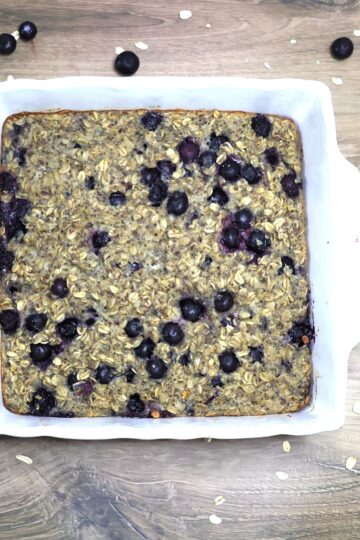
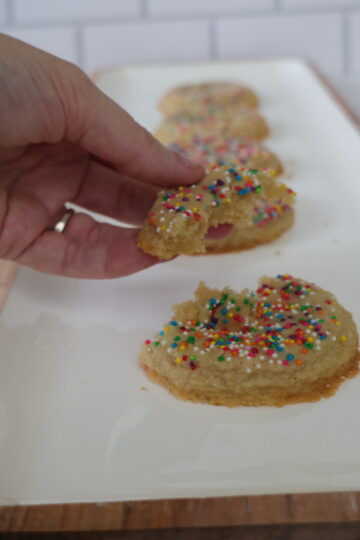
Option 4: Choose lower‑sugar homemade options. A few recipe ideas:
- Almond‑Flour Chocolate Chip Cookies (naturally lower sugar, higher protein)
- Healthy Avocado Chocolate Mousse (rich, creamy, low sugar)
- Strawberries & Cream Chia Pudding (protein + fiber + low sugar)
If you have a meter, check your glucose 1-2 hours after a dessert. This can help you determine which ones fare well for your blood sugars and which ones you should really limit.
3. Drink Water
Staying hydrated is one of the simplest things you can do in your first couple of weeks-and it genuinely helps stabilize your blood sugar.
When you drink enough water, your kidneys can filter your blood more effectively. That means they're able to move excess glucose out of your bloodstream and into your urine, where your body can get rid of it. In other words, water helps your body "flush out" extra sugar through your urine.
On the flip side, dehydration can make your blood sugar look higher. When you don't have enough fluid in your bloodstream, the sugar that's already there becomes more concentrated-kind of like making soup with half the water. The salt didn't increase, but the concentration did because there was less water. This can still make you feel pretty bad and it's not great for our little arteries and veins that concentrated blood flows though.
Everyone's hydration needs are a little different, but a general goal of about two liters (around 64 ounces) per day works well for most people. Many of us don't come close to that, so even small increases can make a difference.
If you have conditions like heart failure, kidney disease, or kidney failure, your doctor may recommend a lower fluid intake. It's always okay to check with them. But for most people, at least 1.5 liters (about 50 ounces) per day is safe and helpful.
Small habit shifts-like keeping a water bottle nearby, drinking a glass with meals, or choosing water over sweetened drinks-can make hydration feel easy and automatic.
4. Review Your Medications
By Week 2, you may:
- Start metformin or adjust medication doses with your doctor
- Ask about side effects and timing with your pharmacist or diabetes educator
Understanding your medication helps you feel more in control.
5. Build Your Support Team
Type 2 diabetes is easier when you're not doing it alone.
- A dietitian can help you personalize your meals and understand label reading
- A diabetes educator can help understand blood sugar numbers and patterns
- A counselor or therapist can help with stress management
- Family members can support your new routines
Many insurance plans have coverage for nutrition and diabetes education, so support does not have to feel out of reach. Support is shown to reduce burnout and increase success.
6. Add One Blood‑Sugar‑Friendly Habit
Choose one that works for you consistently:
- A 10‑minute walk after dinner
- Drinking water before or after meals meals
- Eating a vegetable at each meal
- Going to bed 30 minutes earlier
- Checking your blood sugar level 3-4 times a week
These habits can improve your blood sugars more than you may think. And the more habits you build over time, the low
What You Don't Need to Do in the First 2 Weeks
Let's take some pressure off:
- You don't need to lose 20 pounds immediately
- You don't need to cut out all carbs on day 1
- You don't need to be perfect
- You don't need to be able to teach a diabetes education class next week
Your only job is to start and check in with your medical team, monitor your health and work on habits that improve your health and the way you feel, a little each day.
A Final Word of Encouragement
Type 2 diabetes is manageable-and many people see improvements within weeks of making small, consistent changes. From someone who's worked with thousands of people with diabetes over the past several years, believe me when I say: small changes make a huge impact. You're not behind. You're not failing. You're beginning.
And beginnings are powerful.


Comments
No Comments