

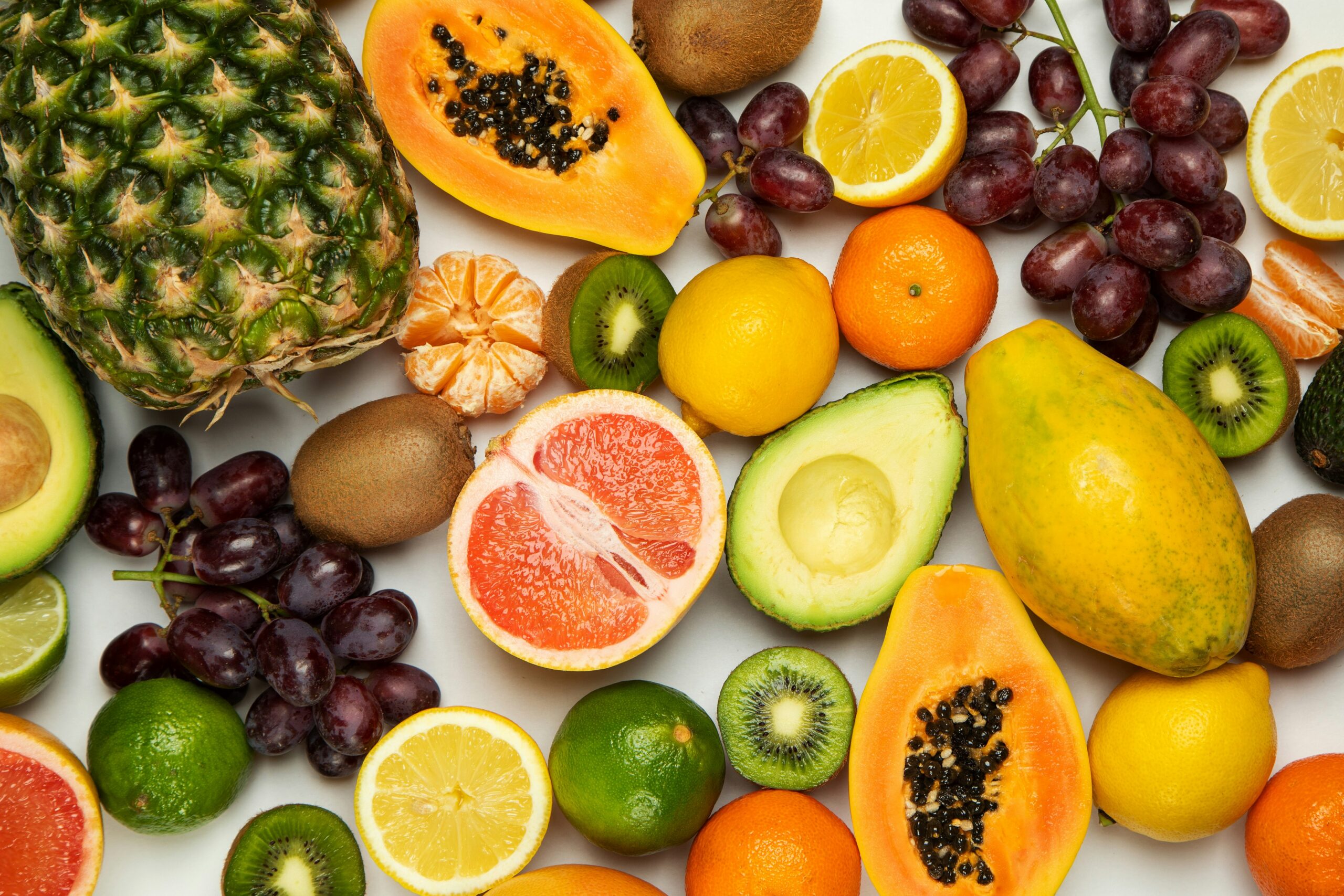
Fruit is one of the most confusing foods for people with diabetes. Some people swear fruit spikes their blood sugar. Others say fruit is "natural," so it shouldn't matter. And then there's your friend Susan who once read something online in 2008 and now believes bananas are basically candy.
Here's the truth: everyone's body responds to carbohydrates differently - and that includes fruit. Some people can tolerate more carbs and natural sugars than others. That's why you hear conflicting advice. It's not that people are wrong… it's that they're different.
As a dietitian who works with diabetes every day, let's break down what actually matters.
First: What Actually Affects Blood Sugar?
Before we talk about fruit specifically, it helps to understand why blood sugar rises in the first place. This is where most of the confusion comes from - it's not just the sugar in a food, but the context around it.
Here are the main factors that influence a blood sugar response:
1. The amount of sugar in the food
A cupcake and blueberries both contain sugar, but they're not remotely the same.
- A cupcake may have 60-90 grams of sugar.
- A cup of blueberries has around 15 grams.
Less sugar generally means a smaller spike.
2. The nutrients that come with the sugar
Fruit contains:
- fiber
- water
- antioxidants
These slow digestion and help prevent sharp spikes. Skittles, for example, don't offer those benefits.
3. How "intact" the food is
The more a food is broken down before it hits your bloodstream, the faster it spikes blood sugar.
Whole fruit digests slower than:
- juice
- dried fruit
- smoothies
- canned fruit in syrup
4. The glycemic index (GI)
Now that we've covered structure and nutrients, GI helps explain how fast a food raises blood sugar.
The glycemic index ranks foods on a scale of 0-100:
- Low GI (55 or less): slower rise
- Medium GI (56-69): moderate rise
- High GI (70+): faster rise
Fruit with a lower GI tends to be easier on blood sugar because it digests more slowly.
5. What you eat it with
Pairing fruit with protein or fat slows digestion and reduces spikes.
This is why fruit alone may leave you hungry in an hour - that's the spike → crash cycle.
So What Does This Mean for Fruit?
Now that you understand the factors that influence blood sugar, fruit starts to make a lot more sense. Different fruits will have different impacts based on:
- how much sugar they contain
- their fiber content
- their glycemic index
- how much you eat
- what you pair them with
Let's look at each of these more closely.
How Much Sugar Is in Fruit?
Fruit contains three types of carbohydrates: sugar, starch, and fiber. Most fruits contain very little starch, so sugar is the main blood‑sugar‑raising component.
Some fruits naturally contain more sugar (pineapple, mango, grapes). Others contain less (berries, kiwi, citrus). You can usually taste the difference - pineapple is much sweeter than a raspberry.
Below is a simple chart showing approximate sugar content of common fruits.
Sugar Content of Common Fruits (Per Typical Serving)
| Fruit | Approx. Sugar per Serving |
|---|---|
| Raspberries (1 cup) | 5 g |
| Blackberries (1 cup) | 7 g |
| Strawberries (1 cup) | 7 g |
| Kiwi (1 medium) | 6 g |
| Grapefruit (½) | 8 g |
| Peach (1 medium) | 13 g |
| Orange (1 medium) | 12 g |
| Apple (1 small) | 15 g |
| Blueberries (1 cup) | 15 g |
| Pear (1 small) | 17 g |
| Banana (½ medium) | 7 g |
| Grapes (1 cup) | 23 g |
| Pineapple (1 cup) | 16 g |
| Mango (1 cup) | 23 g |
| Watermelon (1 cup) | 9 g |
| Cherries (1 cup) | 18 g |
Note: These are averages - fruit varies by ripeness and variety.
What About the Glycemic Index (GI)?
Sugar content tells us how much sugar is in a fruit. GI tells us how fast that sugar hits your bloodstream.
Both matter - but they tell different parts of the story.
Examples
- Low GI: berries, apples, pears, peaches, plums, cherries, grapefruit
- Medium GI: bananas (especially ripe), mango, papaya
- High GI: pineapple, watermelon
GI isn't perfect - it doesn't account for portion size or pairing - but it's a helpful guide.
Glycemic Index Chart for Common Fruits
| Fruit | GI Score | Category |
|---|---|---|
| Cherries | 20 | Low |
| Grapefruit | 25 | Low |
| Pear | 38 | Low |
| Apple | 36 | Low |
| Orange | 43 | Low |
| Peach | 42 | Low |
| Plum | 40 | Low |
| Berries (avg) | 25–40 | Low |
| Banana (ripe) | 62 | Medium |
| Mango | 51 | Medium |
| Papaya | 60 | Medium |
| Pineapple | 66 | Medium–High |
| Watermelon | 72 | High |
Putting It All Together: Best Everyday Fruit Choices
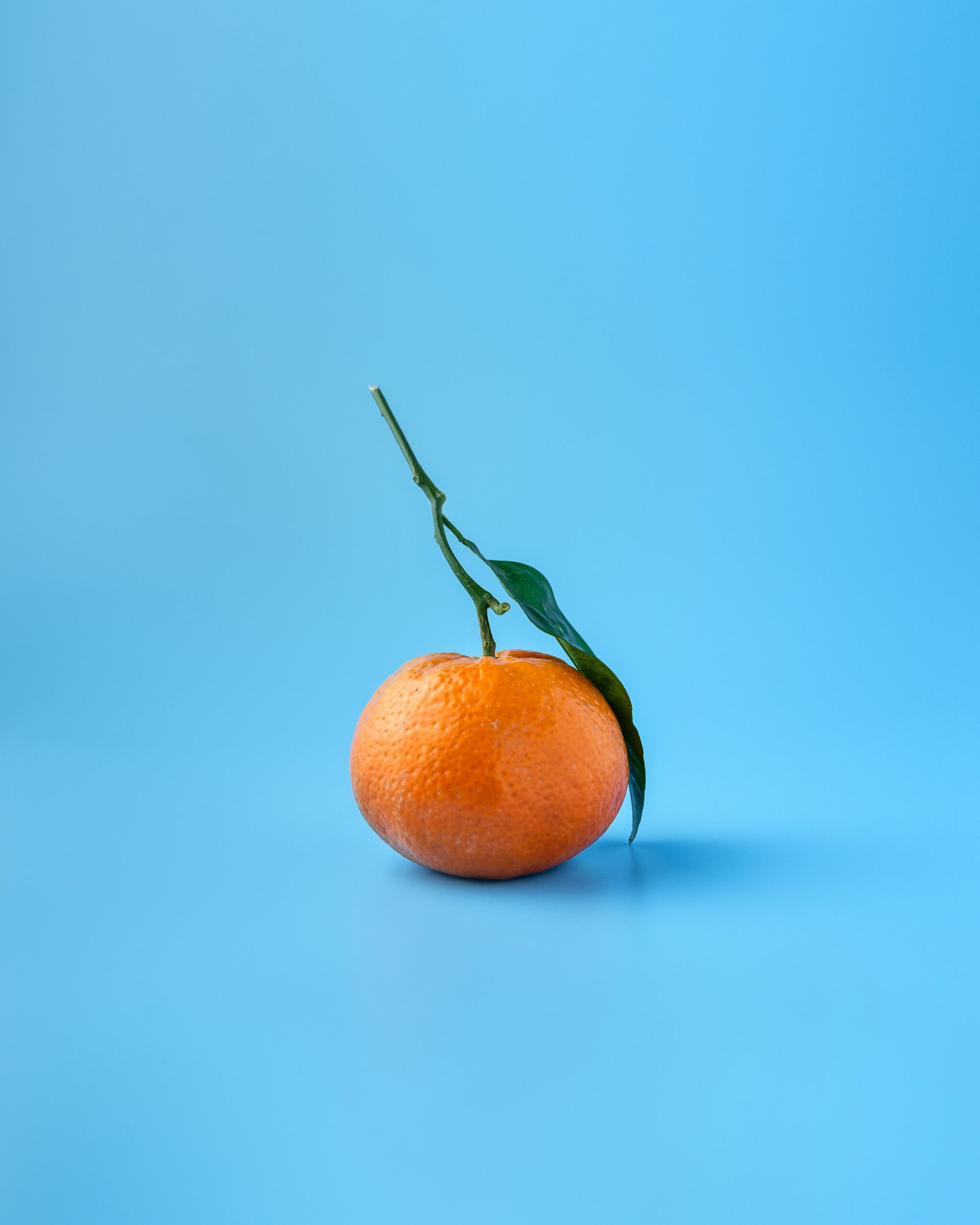
When you combine lower sugar + lower GI + higher fiber, you get fruits that tend to be gentler on blood sugar.
These make great everyday options:
- Berries
- Apples
- Pears
- Plums
- Peaches
- Grapefruit
- Cherries
- Kiwi
- Oranges
Pairing Fruit Helps (A Lot)
Pairing fruit with protein or healthy fat slows digestion and reduces spikes.
Examples:
- Apple + peanut butter
- Berries + Greek yogurt
- Pear + almonds
- Banana + cheese stick
- Pineapple + cottage cheese
- Mango + chia pudding
If fruit alone leaves you hungry quickly, this is why.
Practical Tips for Eating Fruit With Diabetes
With the science in place, let's shift into the practical side. These strategies can help you include fruit in a balanced, diabetes‑friendly way.
1. Eat in moderation- a good rule of thumb is 1-3 servings a day.
Fruit is healthy - but eating containers of blueberries all day long can absolutely cause blood sugar issues. More is not always better. Ask your doctor or dietitian for specific recommendations for you.
A serving is generally ½-1 cup, depending on the fruit.
2. Pair fruit with protein or fat
This helps prevent spikes and keeps you full longer.
3. Watch portions of higher‑sugar or higher‑GI fruits
Try:
- ½ cup pineapple
- ½ banana
- ½ cup mango
- ½ cup watermelon
4. Choose fresh or frozen fruit most often
Be cautious with:
- fruit juice
- dried fruit
- canned fruit in syrup
- smoothies
5. Limit fruit in smoothies
Use:
- 1 serving of fruit max
- protein
- fat
- fiber
6. Canned fruit can fit - just choose wisely
Look for:
- packed in water or 100% juice
- avoid heavy syrup
- rinse to reduce sugar
- keep portions small (about ½ cup)
So… Can People With Diabetes Eat Fruit?
Yes - fruit is absolutely allowed.
The key is:
- Choose whole fruit
- Watch portions
- Pair with protein or fat
- Be mindful of higher‑sugar fruits
- Pay attention to your own glucose response
Everyone's body is different. What spikes one person may be totally fine for another.
Final Thoughts (Your RD Note)
Fruit is nutritious, satisfying, and can absolutely fit into a diabetes‑friendly lifestyle. The goal is to eat it in a way that supports steady blood sugar.
If you're unsure how fruit affects you, check your glucose 1-2 hours after eating. Look for:
- Less than a 50‑point rise, or
- Under 180 mg/dL after meals (ADA target)
That's the best way to understand your personal tolerance and speak with your doctor or dietitian if you have further questions.
Check out some low-sugar fruit recipes:
Healthy Oatmeal Bake - Flourish Without Flour
Strawberries and Cream Chia Pudding - Flourish Without Flour
Meal Prep Chicken Salad - Flourish Without Flour
Gluten-Free Banana Oat Muffins - Flourish Without Flour
*This article is for educational and entertainment purposes only and does not provide individualized medical advise. Please speak with your doctor or dietitian for individualized care and plans.



Comments
No Comments