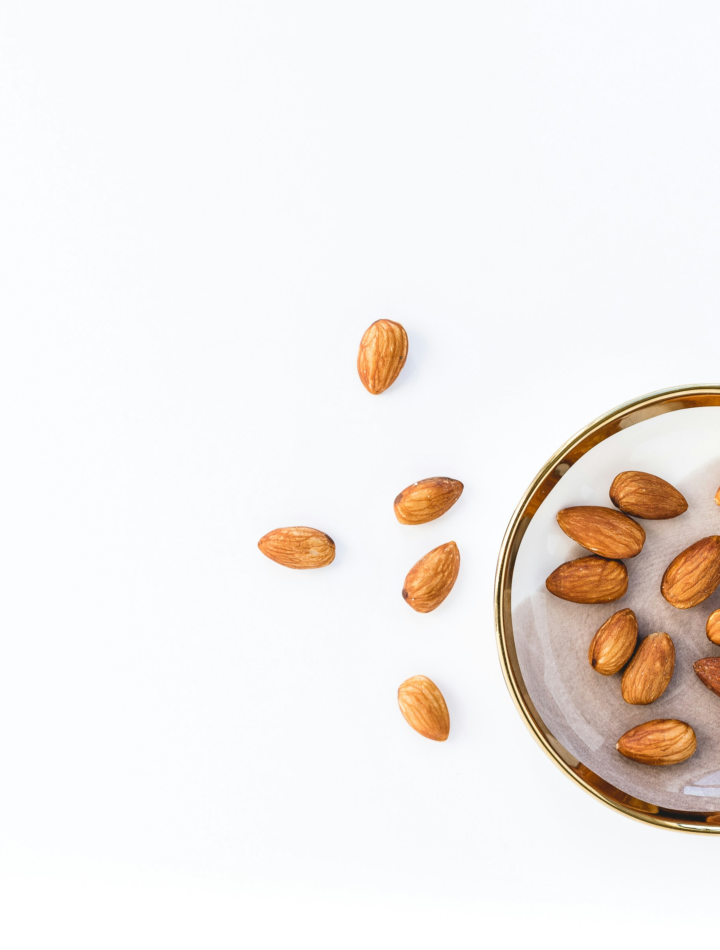
Let’s talk about almond flour—my trusty little bag of ground-up almonds that somehow ends up in half of the things I bake. I love it because it’s literally just… almonds. No mystery ingredients, no secret additives, no “may contain unicorn dust.” Just wholesome, real-food goodness doing its thing.
All the Good Stuff Packed into One Little Flour
Because almond flour is just ground almonds, you get all the natural benefits:
- Healthy fats that support your heart, skin, and hair
- High fiber for gut health and steady blood sugar
- Naturally low in carbs, making it a great option for diabetes-friendly recipes
- Gluten-free and wheat-free, perfect for anyone avoiding wheat or managing celiac or gluten sensitivity
Basically, almond flour is that friend who shows up with snacks and emotional support.
Nutrition Snapshot: ½ Cup Almond Flour
(Approximate values—varies by brand, but this is a solid ballpark.) - Calories: ~320
- Total Fat: ~28g
- Saturated Fat: ~2g
- Carbohydrates: ~12g
- Fiber: ~6g
- Net Carbs: ~6g
- Protein: ~12g
So yes, low carb, nutrient-dense and also a little calorie dense.
Moist, Tender, and Shockingly Neutral
One of my favorite things about almond flour is how moist it keeps baked goods. It brings tenderness and richness that’s hard to get from other gluten-free flours. And because it has a neutral flavor, it blends into most recipes without announcing itself.
But Let’s Be Honest… It Has Quirks
Almond flour is wonderful, but she’s not perfect. She can be: - A little heavy
- A little gritty
- A little slow to hydrate
Which is why I often pair it with something more drying—like coconut flour, oat flour, or protein powder—to balance things out. Think of it like pairing a cozy sweater with jeans instead of sweatpants. Structure matters.
And Here’s the Big Secret: Patience
If you take one thing from this post, let it be this: LET. IT. SIT. Do not eat almond-flour cookies straight out of the oven. I know. I KNOW. But trust me. Fresh out of the oven, they can taste gritty or too soft. Give them at least 30 minutes, and honestly, they’re magical after 2–3 hours once the moisture redistributes.
Calorie dense:
Almond flour is nutrient-dense, but it’s also calorie-dense because of those healthy fats. Nothing wrong with that—just something to keep in mind if you’re watching calories. Because almond flour usually needs an additional flour to balance it, that often offsets the calories. In my recipes, I usually balance almond flour with another flour so the texture is right and the calories don’t skyrocket.
Wrap-Up: Why Almond Flour Is a Staple in My Pantry - At the end of the day, almond flour is one of the most versatile, nutrient-packed, gluten-free, wheat-free, and diabetes-friendly ingredients you can keep on hand. It brings moisture, richness, and a beautifully tender crumb to baked goods—as long as you treat it right. Give it structure, give it time, and it will absolutely show off for you.
- If you’re looking for recipes that use almond flour the right way (aka: no gritty cookies, no sad muffins), I’ve got plenty!