

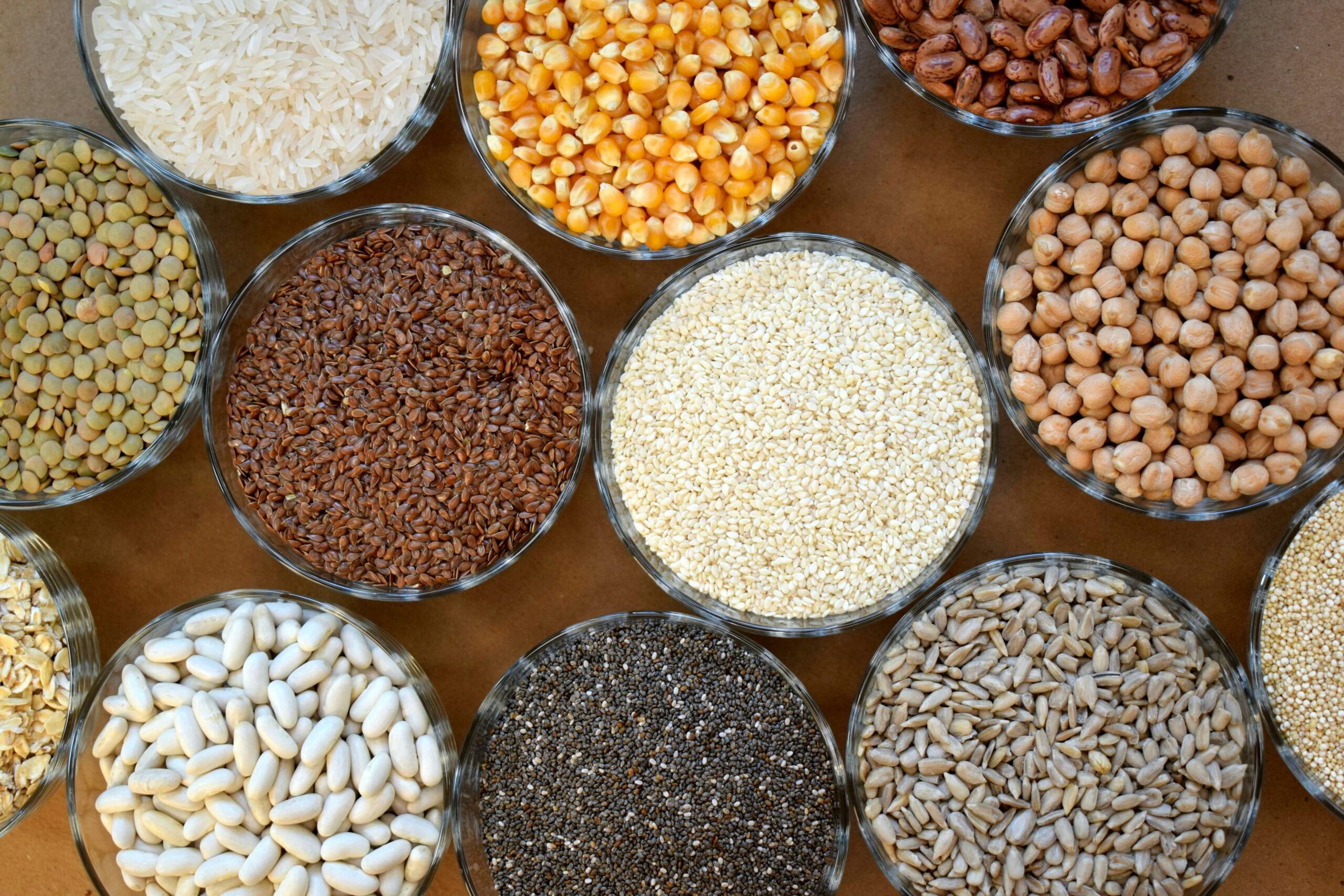
If you've ever gone gluten free and still felt hungry an hour after eating… or watched your glucose graph spike even though you're avoiding wheat… you're not imagining it. Gluten‑free eating can be wonderful for digestion, inflammation, and overall well‑being - but it can also come with a hidden challenge: blood sugar spikes.
And the reason is surprisingly simple.
Most gluten‑free products are built on fast‑digesting starches like white rice flour, tapioca starch, potato starch, and corn flour. These ingredients behave a lot like sugar once they hit your bloodstream. They digest quickly, raise glucose rapidly, and leave you hungry again soon after.
But here's the good news: You can eat gluten free without the blood sugar rollercoaster. You just need to know which ingredients digest slowly, which ones don't, and how to balance your meals with the right foods.
Let's start with the foundation: understanding how different gluten‑free flours behave in the body.
The Glycemic Index, Explained Simply
The glycemic index (GI) measures how quickly a carbohydrate raises your blood sugar - essentially the "speed" of digestion.
- Low GI (0-55): slow, steady rise
- Medium GI (56-69): moderate rise
- High GI (70+): fast spike
Fiber, protein, and fats all slow digestion. Refined starches do the opposite.
And this is where gluten‑free eating gets interesting - because gluten‑free flours vary dramatically in how they affect blood sugar.
The Glycemic Index of Gluten‑Free Flours
Once you see these numbers side by side, the whole picture becomes clearer.
| Ingredient | GI Range | Notes |
| White flour (refined wheat) | 70–85 | High GI; digests rapidly |
| Whole wheat flour | 50–69 | Moderate GI |
| White rice flour | 70–87 | High GI; common in GF blends |
| Brown rice flour | 50–62 | Moderate GI |
| Corn flour / cornmeal | 68–70 | High GI unless paired with fiber/protein |
| Potato starch | 70–90 | Very high GI |
| Tapioca starch | 65–70 | High GI |
| Millet flour | ~71 | High GI |
| Buckwheat flour | 49–55 | Low–moderate GI |
| Quinoa flour | ~53 | Low–moderate GI |
| Oat flour | 25–55 | Low–moderate GI; beta‑glucan slows absorption |
| Coconut flour | 45–55 | Low–moderate GI; very high fiber |
| Almond flour | 0–20 | Very low GI |
| Flaxseed meal | ~0 | Extremely low GI |
| Chia flour | ~0 | Extremely low GI |
| Teff | ~57 | Moderate GI |
| Sorghum flour | ~55 | Moderate GI |
This chart alone explains why some gluten‑free foods keep you full and energized - and others leave you crashing.
The Best Gluten‑Free Flours for Blood Sugar
Once you understand the GI chart, the best choices become clear.
Almond flour is one of the lowest‑GI flours available. Technically, it's not even a carbohydrate - it's mostly fat and protein - which is why it's so gentle on blood sugar. Coconut flour, also not a true carbohydrate, is naturally high in fiber and supports a slow, steady rise. Oat flour contains beta‑glucan, a soluble fiber that slows glucose absorption. Buckwheat and quinoa flours are moderate GI but nutrient‑dense and much more stable than rice‑based flours. And flaxseed meal and chia flour are the true blood‑sugar heroes - extremely low GI and packed with fiber.
How to Use Low‑GI Gluten‑Free Flours in Everyday Cooking
Once you know which flours support steady blood sugar, you can start using them in your own kitchen.
- Almond flour makes tender cookies, muffins, and quick breads.
- Coconut flour is perfect for pancakes and mug cakes.
- Oat flour works beautifully in breakfast cookies and snack bars.
- Buckwheat makes incredible pancakes and crepes.
- Quinoa flour shines in flatbreads and savory bakes.
- Flaxseed meal adds fiber to smoothies, oatmeal, and baked goods.
- Chia thickens puddings, sauces, and energy bites.
These flours not only taste great - they help keep your blood sugar stable.
You can link your recipes here:
- Almond flour:
- Coconut flour:
- Chia seeds:
- Flaxseed meal:
Store‑Bought Gluten‑Free Foods That Won't Spike Blood Sugar
Let's talk real‑world options - because most of us don't have time to cook from scratch every single meal. These breads, wraps, and pastas are easy to find and support steadier energy.
Breads
Base Culture breads contain naturally low‑glycemic ingredients like eggs, almond butter, arrowroot flour, flaxseed meal, and psyllium. They're pricier, but nutritionally solid. If you choose a more affordable bread, you can still "cushion" the spike (more on that below).
Wraps & Tortillas
Look for wraps made with chickpea flour, almond flour, or whole‑grain blends.
- BFree High‑Protein Wraps (chickpea + pea protein)
- Siete Almond Flour Tortillas (very low GI)
- Ole Xtreme Wellness Gluten‑Free Wraps (moderate GI but better than most GF wraps)
Corn Tortillas
Corn tortillas deserve their own spotlight.
GI of corn tortillas: ~52-60 This puts them in the moderate GI category - similar to brown rice or buckwheat.
Pastas
This is where the right choice makes a huge difference.
- Banza Chickpea Pasta - low GI, high protein, high fiber
- The Only Bean Edamame Pasta - extremely high protein, very low net carbs
- Banza Brown Rice + Chickpea Pasta - moderate‑low GI with a classic pasta texture
- Rummo Gluten‑Free Pasta - gentler than white rice pasta and family‑friendly
These options digest slower, keep you fuller longer, and help avoid the post‑pasta crash.
Naturally Gluten‑Free, Low‑GI Foods to Build Your Meals Around
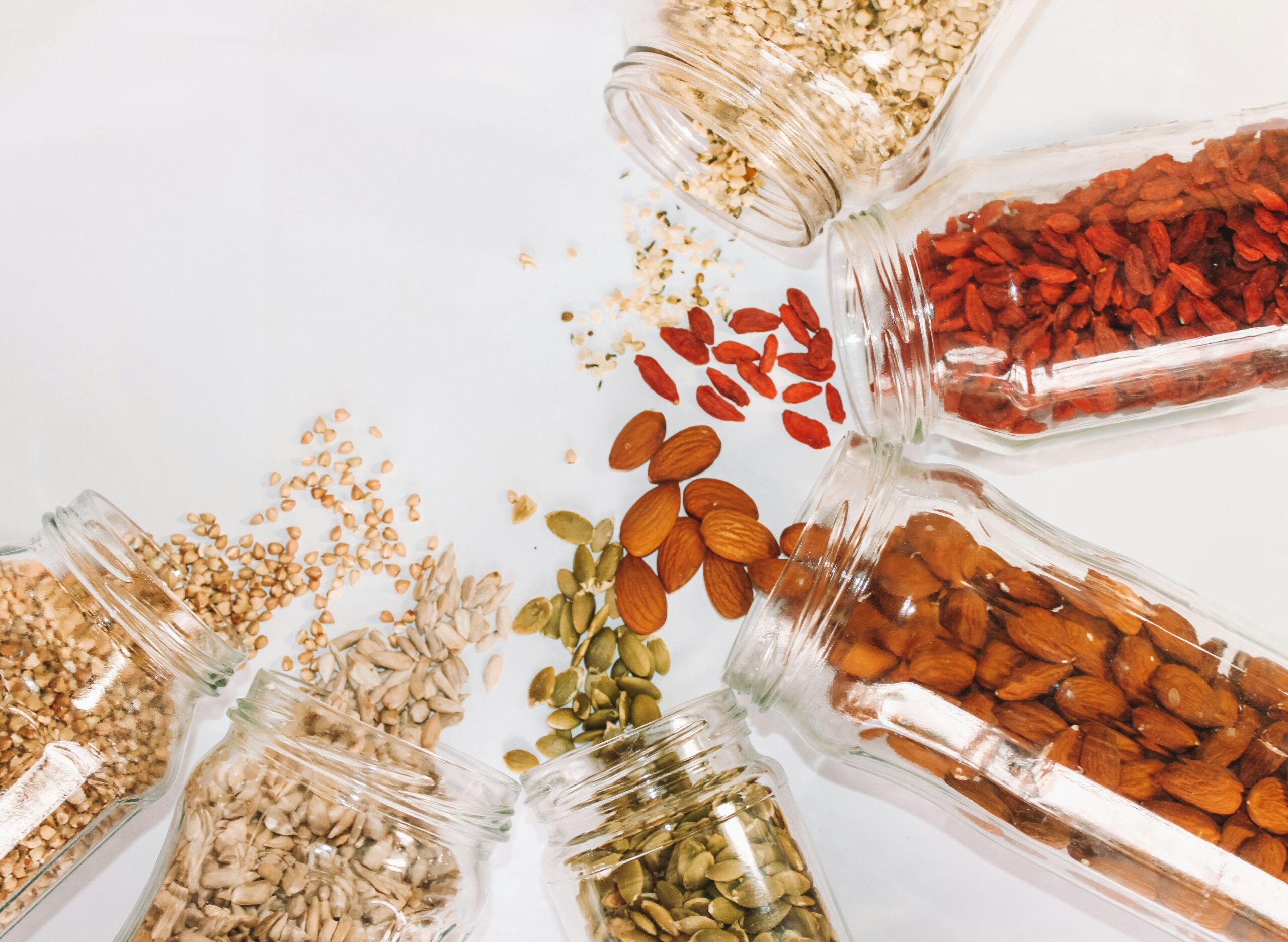
Some of the best gluten‑free foods for blood sugar are the simplest ones:
- Non‑starchy vegetables
- Protein sources like eggs, chicken, turkey, fish, and cheese
- Healthy fats like avocado, nuts, seeds, and olive oil
- High‑fiber seeds like flax, chia, and hemp
- Nuts and nut butters like almond butter, peanut butter, and cashews
These foods form the foundation of balanced, steady‑energy meals.
How to "Cushion" Higher‑GI Gluten‑Free Foods
I always tell my clients: it's not only what carbohydrate you eat - it's how much you eat and what you pair it with.
Even if you choose a higher‑GI gluten‑free food - like a rice‑based wrap or pasta - you can dramatically improve the blood sugar response by pairing it with:
- Protein
- Healthy fats
- Fiber
Multiple studies have shown that adding protein, fats, or non‑starchy vegetables can decrease a glucose spike by 30-40%.
For example:
- Add chicken, veggies, and olive oil to gluten‑free pasta.
- Spread almond butter and chia on gluten‑free toast.
- Pair gluten‑free crackers with hummus or cheese.
- Add turkey and avocado to a gluten‑free wrap.
These simple additions slow digestion and flatten the glucose curve - which can also help you feel full longer.
Signature RD Note
Everyone's blood sugar responds differently to different types and amounts of carbohydrates. These are general guidelines that work well for most people, but your individual response may vary.
The best way to understand how a food affects you is to talk with your practitioner and check your glucose. As a general rule: If a meal raises your glucose more than 50 points from the start to 1-2 hours after eating, it likely wasn't a great glycemic fit - and you may want to try a different product or "cushion it" with more vegetables, protein, or healthy fats.
Final Thoughts
If you know me, or are getting to know me, you should know I'm not an alarmist nor do I operate in extremes. And, I don't believe most people need to be either. Eating gluten‑free without glucose spikes is absolutely possible. You just need the right tools - the right flours, the right products, and the right pairings. As an educator, I believe knowledge is power, and I hope you felt that in this article.
And remember: You don't have to give up the foods you love - just choose the versions and meals that love you back.


Comments
No Comments