

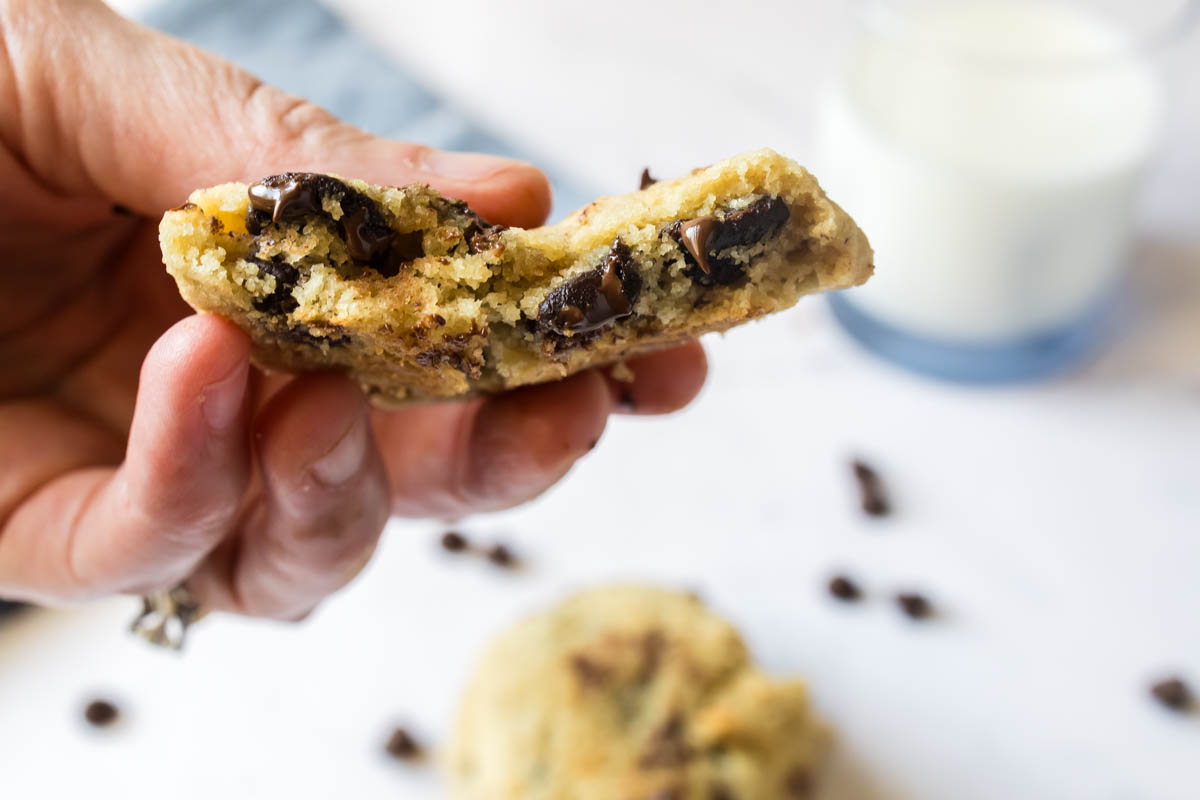
Why You'll Love These:
These cookies check every box for readers who want something indulgent without the blood‑sugar spike or heavy, wheat‑based flour load. Here's why they stand out:
1. They are a cookie you can at least feel kind of good about eating.
- These cookies are genuinely a treat you can feel good about - for yourself and your kids.
- Almond flour and coconut flour naturally slow down how quickly carbohydrates are absorbed, which helps keep blood sugar steadier. That means fewer spikes, fewer crashes, and a snack that actually keeps you full instead of sending you on a sugar rollercoaster.
- I love giving these to my son because I know he's not going to have that classic sugar crash afterward. Instead, he's getting something that tastes like a real cookie but also gives him nutrition from the almond flour - things like healthy fats, fiber, vitamin E, and a little protein. It's a win‑win: he gets a cookie, and I get peace of mind.
- Using less sugar (or a sugar‑free sweetener) also helps with energy stability. You still get sweetness, but without the big spike‑and‑drop that comes with traditional cookies.
- And because these cookies are built on nutrient‑dense ingredients, they offer benefits beyond blood sugar:
- Healthy fats support heart health and help kids stay satisfied longer.
- Fiber supports gut health and digestion.
- Lower glycemic impact makes them a great option for balanced snacking.
- This is the kind of cookie that feels indulgent but still aligns with real‑life wellness - soft, chewy, comforting, and nourishing in a way traditional cookies just aren't.
2. They taste great.
- Almond flour brings moisture and tenderness and gives you that chewy, tender bakery style cookie.
- Coconut flour absorbs excess liquid, giving structure without dryness.
- The blend of flours creates a cookie that stays soft even after cooling.
- Combining almond flour with 1:1 gluten free blend helps to decrease the dryness from a gluten free blend alone.
3. They are naturally Gluten‑Free
- A mix of almond flour + gluten‑free 1:1 blend mimics the chew of traditional cookies without wheat.
4. They are quick and easy
- No complicated steps.
- Ready in under 25 minutes.
Ingredients:
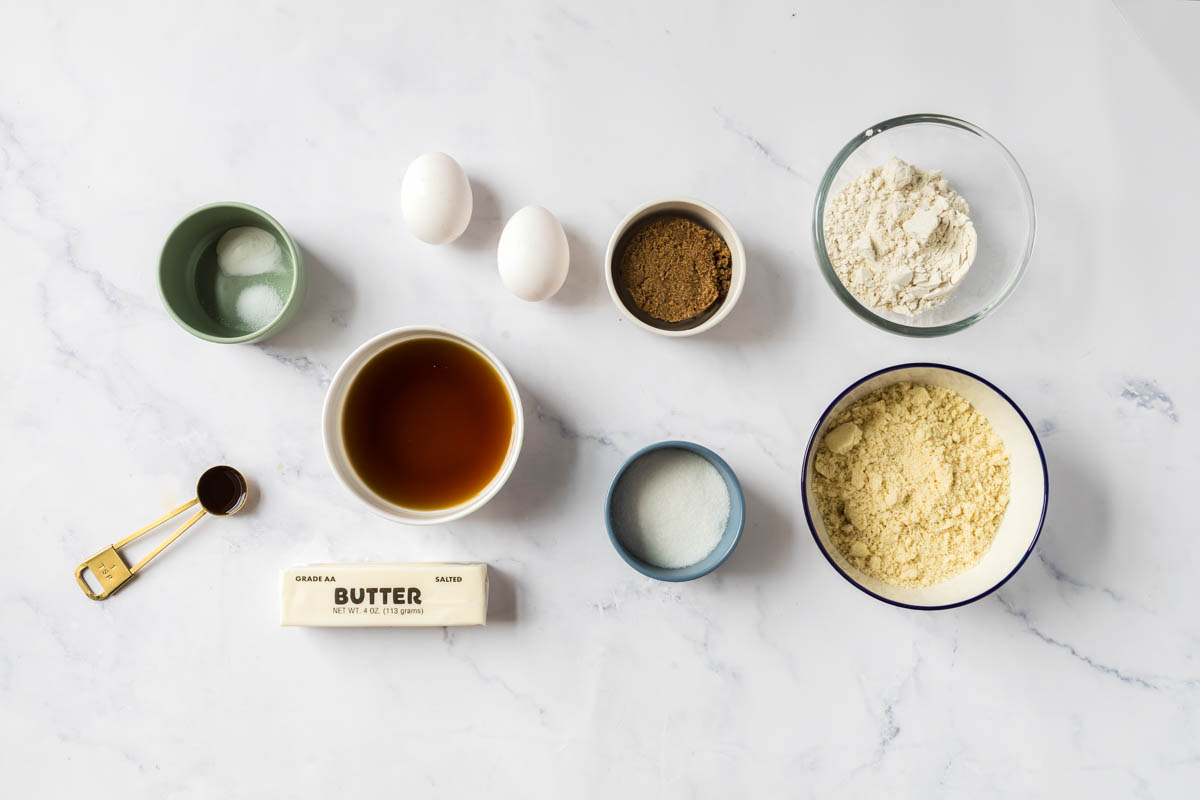
Almond flour
Gluten‑free 1:1 flour blend
Baking soda
Coconut flour (optional but recommended)
Salt
Sugar or sugar‑free sweetener
Egg
Softened butter
Milk of choice
Vanilla extract
Chocolate chips (regular or sugar‑free)
Substitutions:
Make It Vegan
- Replace the egg with a flax egg Mix 1 tablespoon ground flaxseed with 3 tablespoons water and let it gel for 5 minutes. Why it works: flax adds fiber and helps bind the dough similarly to an egg.
- Use vegan butter Choose a stick‑style vegan butter for the best structure (tub butters are softer and may cause spreading).
- Use dairy‑free milk Almond, oat, or soy milk all work well.
- Choose dairy‑free chocolate chips Enjoy Life, Hu, or Lily's dairy‑free options melt beautifully.
Make It Dairy‑Free
- Swap butter for coconut oil or vegan butter Coconut oil creates a slightly crisp edge; vegan butter keeps them soft and classic.
- Use any dairy‑free milk Almond, oat, coconut, or cashew milk all work.
- Use dairy‑free chocolate chips Keeps the recipe fully dairy‑free without changing texture.
Make It Lower‑Carb / More Blood‑Sugar Friendly
This is where readers need the most clarity - sugar substitutes behave differently, so here's the breakdown:
Best Sweeteners for Soft, Chewy Cookies
- Allulose Softest, chewiest texture. It browns more quickly, so check the cookies early.
- Monkfruit + Allulose Blend Most balanced sweetness + best structure. Great for people who don't want the cooling effect of erythritol.
- Swerve Brown Adds caramelized flavor and chew. Works beautifully in chocolate chip cookies.
Sweeteners to Avoid
- Pure erythritol Can recrystallize and make cookies gritty or firm.
If You Want Them Sweeter
Readers love this guidance because sweetness varies by brand:
- Add 1-2 extra tablespoons of sugar or sweetener.
- For a noticeably sweeter cookie, increase by up to ¼ cup (½ cup total). This won't affect structure because almond flour provides moisture and stability.
Lower‑Carb Flour Adjustments
- Increase almond flour slightly.
- Decrease the gluten‑free blend. This lowers the glycemic impact and keeps the cookie soft (can adjust by 1-2 tablespoons)
Make It Non‑Gluten‑Free
If using recipe for diabetes or healthy cookie only and you do not need gluten-free flour, you can:
- Replace the gluten‑free 1:1 blend with regular all‑purpose flour.
- Keep the almond flour + coconut flour the same - they're essential for the soft, chewy texture.
This version will taste like a classic chocolate chip cookie with a slightly richer, nuttier flavor.
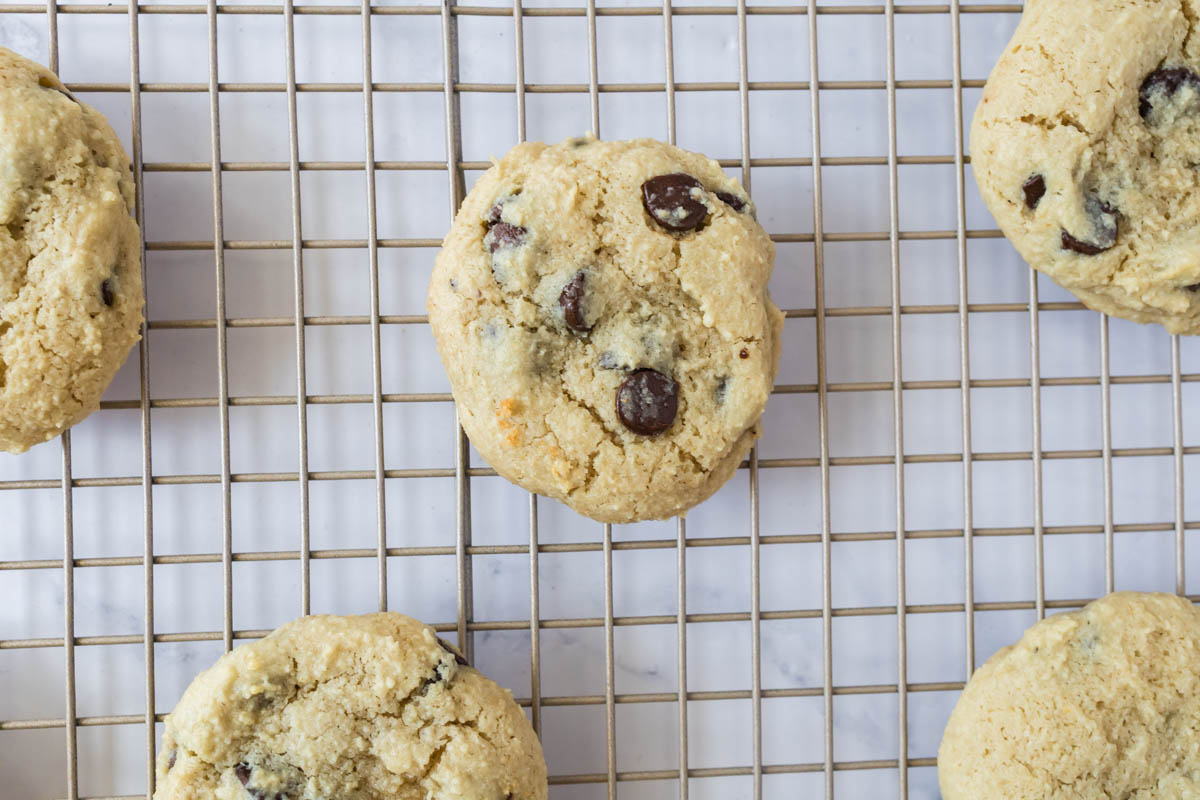
Add‑Ins (Flavor Boosters + Texture Options)
These are great for SEO and reader engagement:
Espresso powder - deepens the chocolate notes without tasting like coffee
Chopped pecans or walnuts - adds crunch + healthy fats
Unsweetened shredded coconut - adds chew and natural sweetness
Flaky sea salt - enhances chocolate flavor
Cinnamon - warm, cozy bakery flavor
Instructions:
1. Preheat the oven to 350°F and line a baking sheet.
Why: Cookies bake more evenly when the oven is fully preheated. Parchment prevents spreading and promotes even browning.
2. Mix the dry ingredients together.
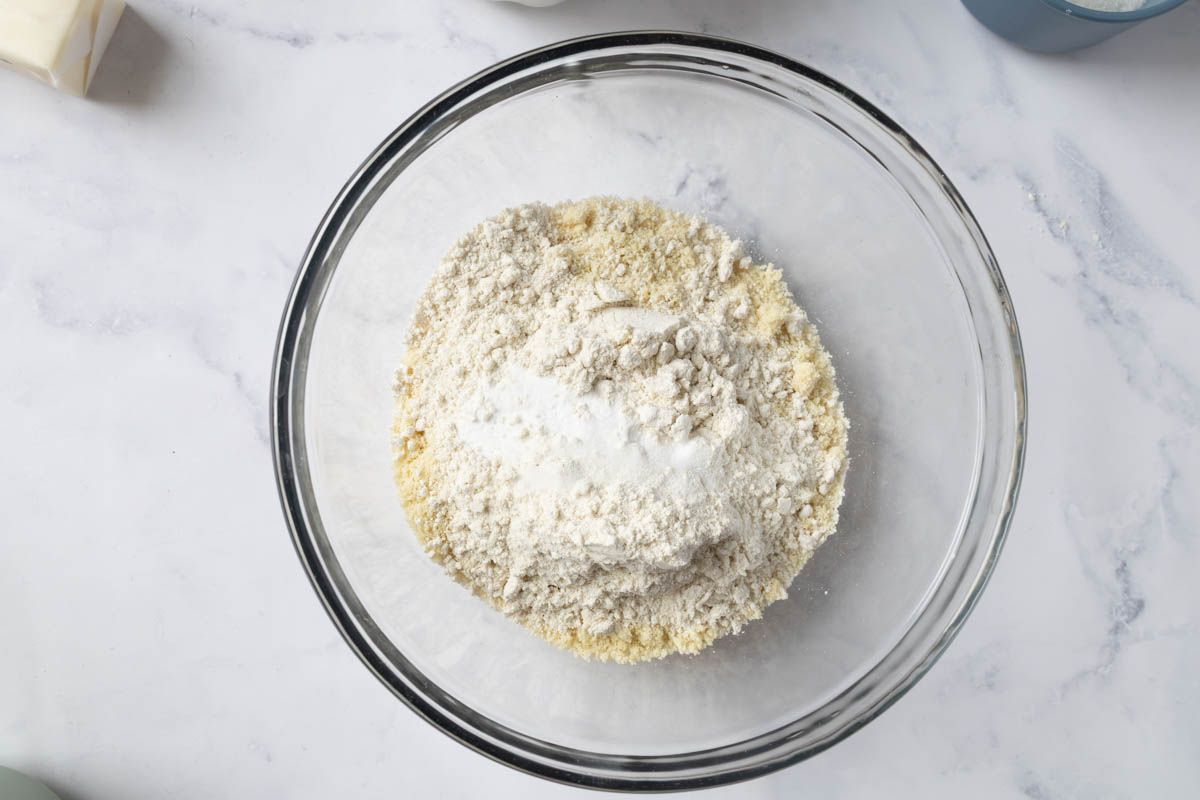
Why: Combining flours, baking soda, and salt ensures the leavening is evenly distributed so the cookies rise uniformly.
3. Whisk the wet ingredients in a separate bowl.
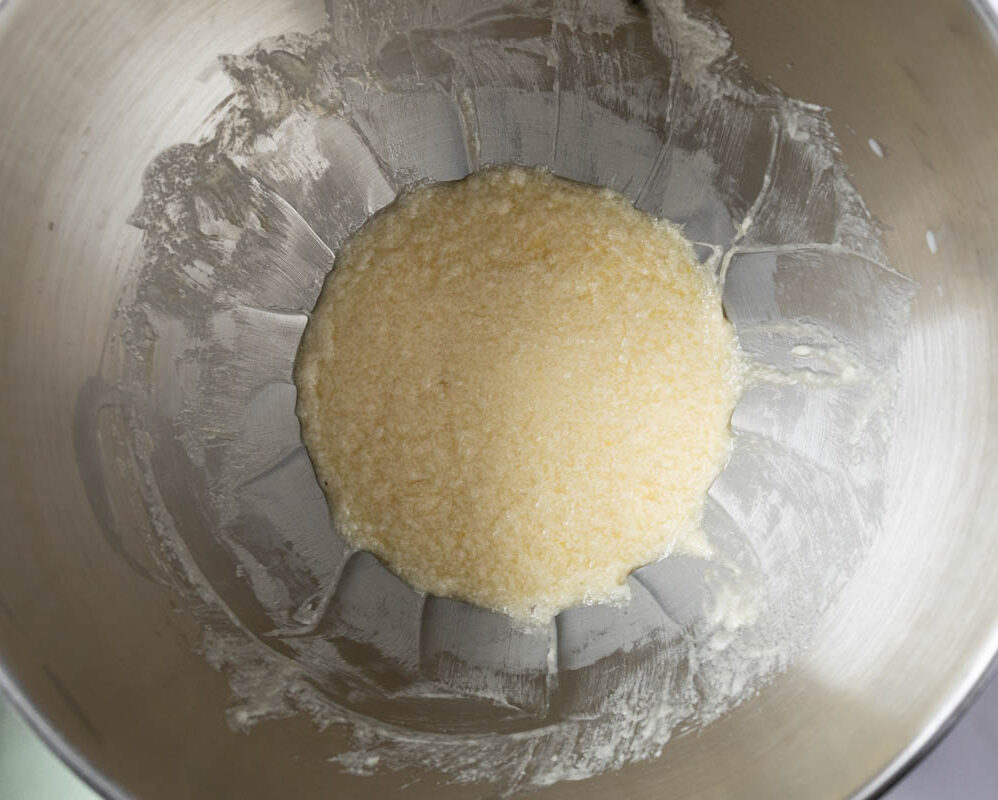
Why: Properly emulsifying the egg, butter, milk, and vanilla creates a smooth base that blends better with the dry ingredients.
4. Combine wet and dry mixtures.
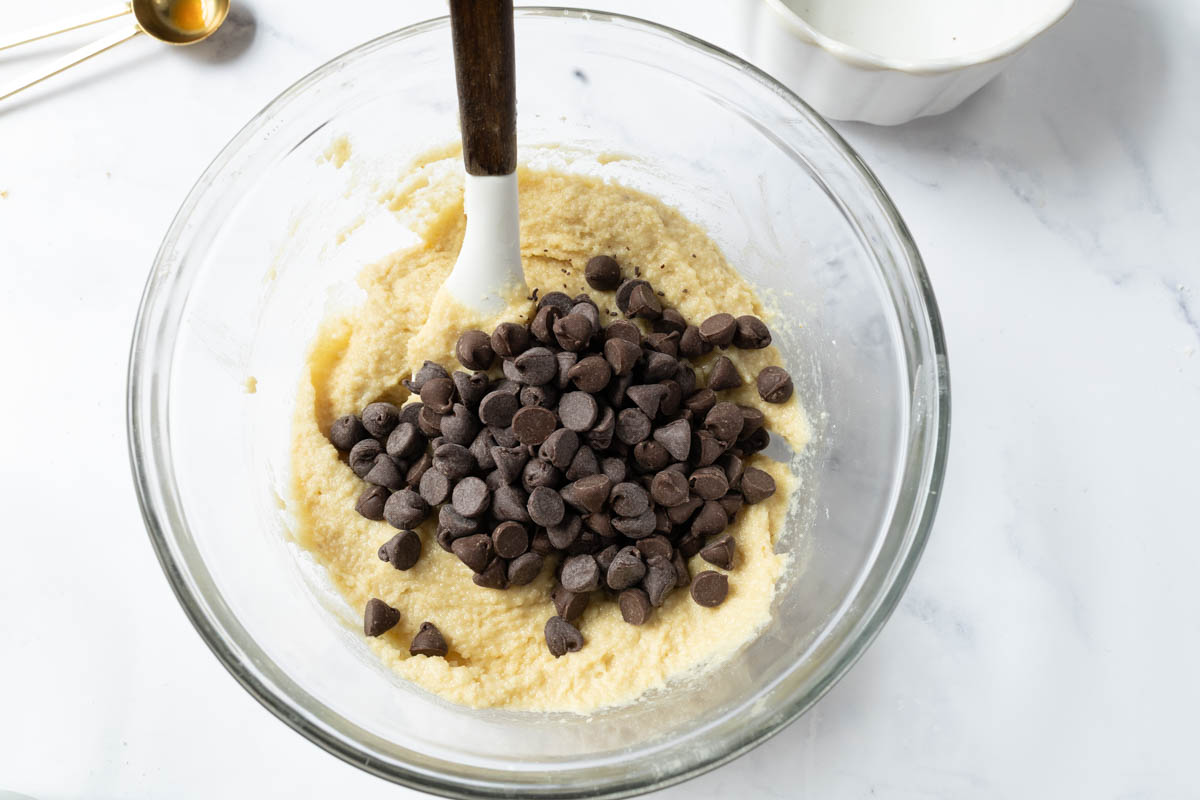
Why: Mixing them separately first prevents over‑mixing, which can make gluten‑free cookies tough or gummy.
5. Fold in chocolate chips.
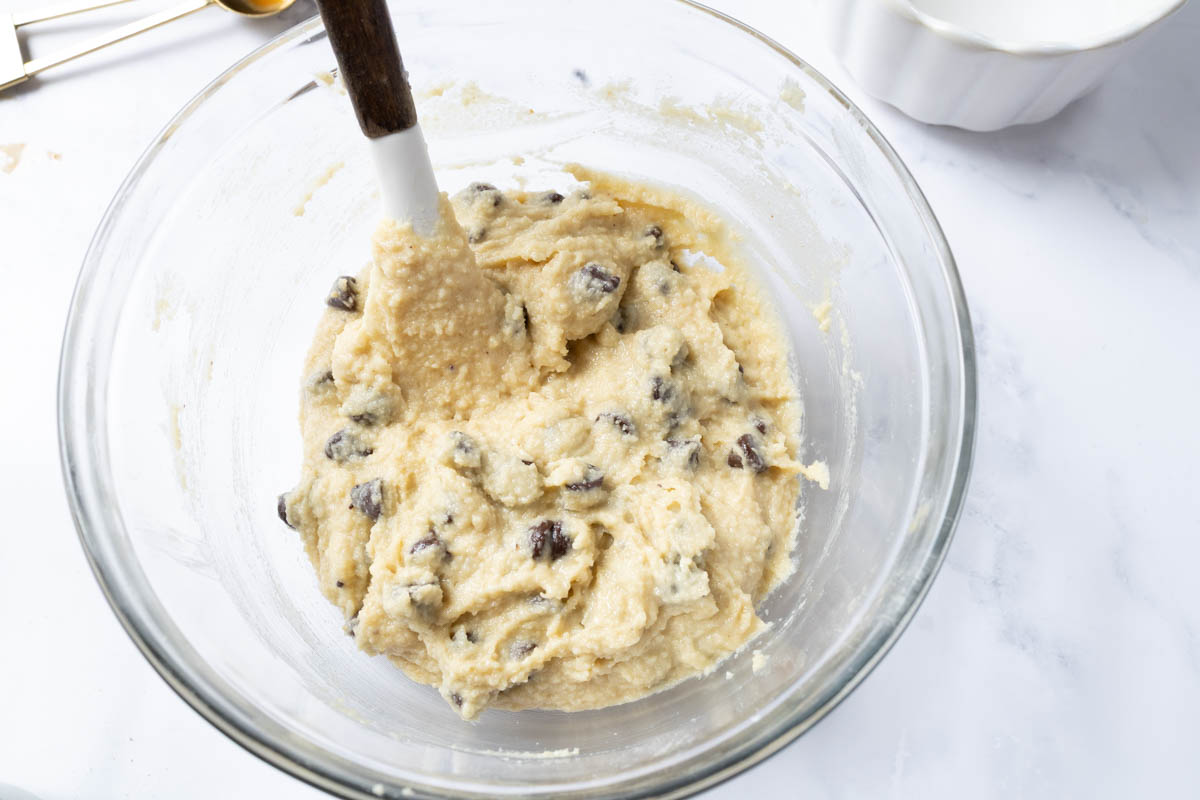
Why: Folding prevents overworking the dough and keeps the chips evenly distributed.
6. Scoop into 14 cookies and gently flatten.
Why: These cookies don't spread much on their own due to the almond + coconut flour combination, so flattening ensures the right shape.
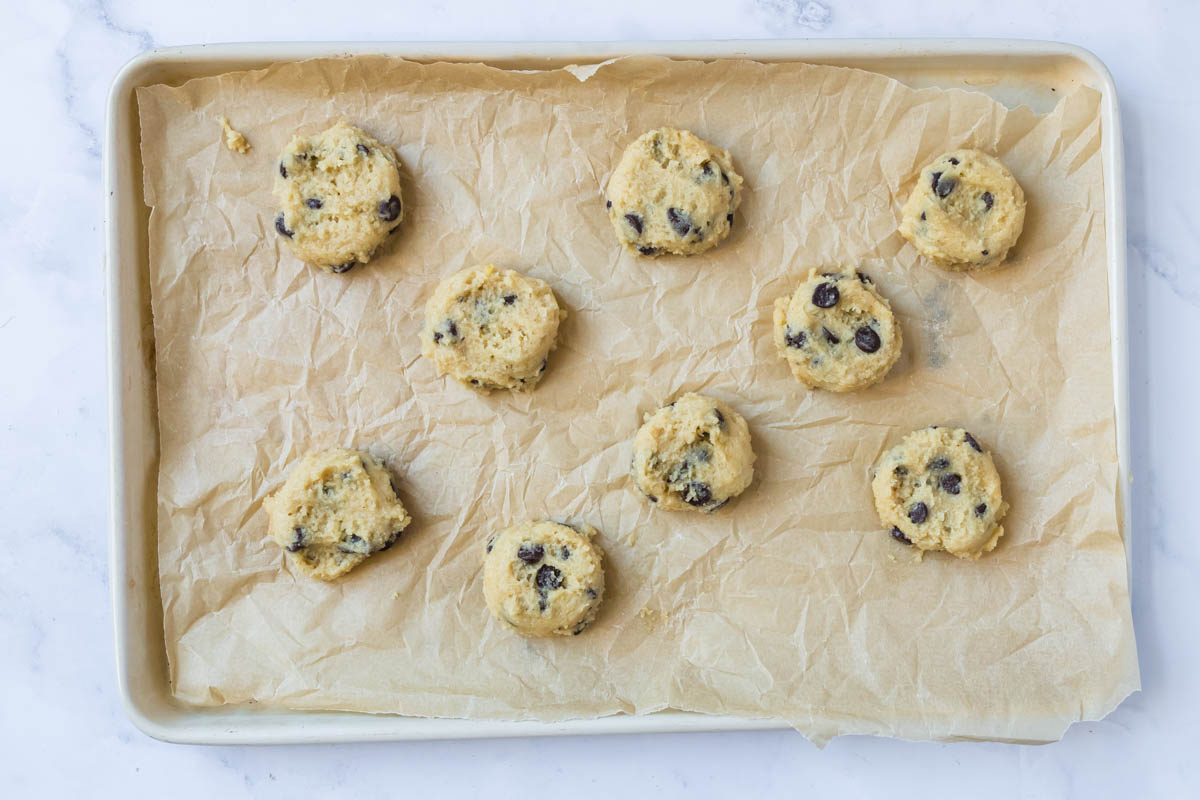
7. Bake 9-12 minutes until edges are lightly golden.
Why: Gluten‑free cookies can overbake quickly. Pulling them early keeps the centers soft and chewy.
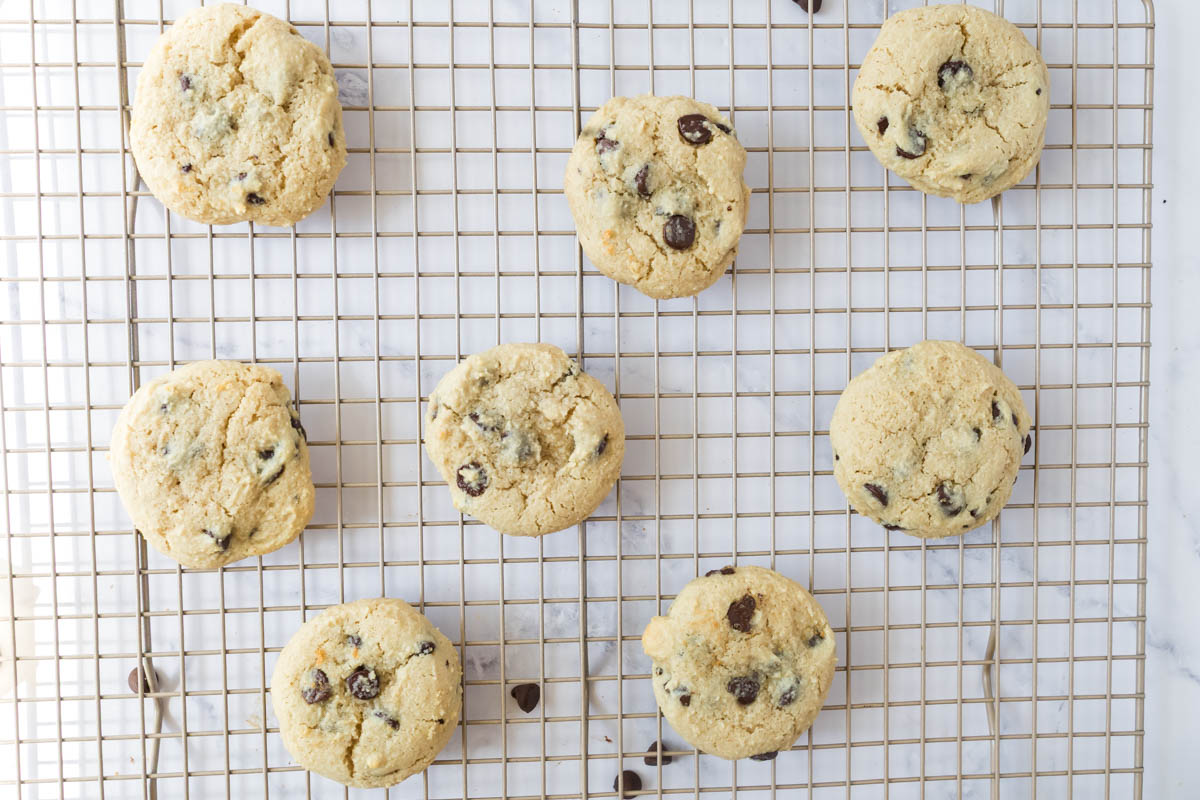
8. Cool completely for 20 minutes.
Why: Almond flour cookies firm up as they cool - the moisture redistributes, giving that perfect soft‑chewy texture.
Storage & Freezing
Room Temperature
Store in an airtight container for 3-4 days. They stay soft thanks to the almond flour.
Refrigerator
Keeps for up to 1 week. Texture becomes slightly firmer but still chewy.
Freezer
- Freeze baked cookies for up to 3 months.
- Freeze cookie dough balls for 2-3 months; bake from frozen, adding 1-2 minutes.
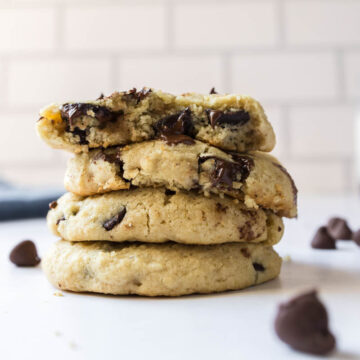
Chewy Almond Flour Chocolate Chip Cookies with Less Sugar
Ingredients
- ¾ cup almond flour
- ½ cup 1:1 gluten-free flour blend I used Pilsbury
- ½ teaspoon baking soda
- 1 tablespoon coconut flour
- ¼ teaspoon salt
- ¼ cup sugar or sugar-free sweetener of choice
- 1 egg
- ¼ cup softened buter
- 2 tablespoons milk of choice
- 1 teaspoon vanilla
- ½ cup of regular or sugar-free chocolate chips
Instructions
- Preheat oven to 350 degrees Fahrenheit. Line a baking sheet with parchment paper.
- Mix dry ingredients (flours, baking soda, coconut flour, sugar and salt) in one bowl
- In a separate bowl, wisk together wet ingredients (egg, vanilla, milk and butter)
- Combine wet and dry ingredients
- Fold in chocolate chips
- Scoop into 14 cookies and flatten slightly
- Bake 9-12 minutes or until edges are slightly golden
- Cool completely (for around 20minutes). Don't skip this step! The moisture will continue to distribute as they cool.


Comments
No Comments