
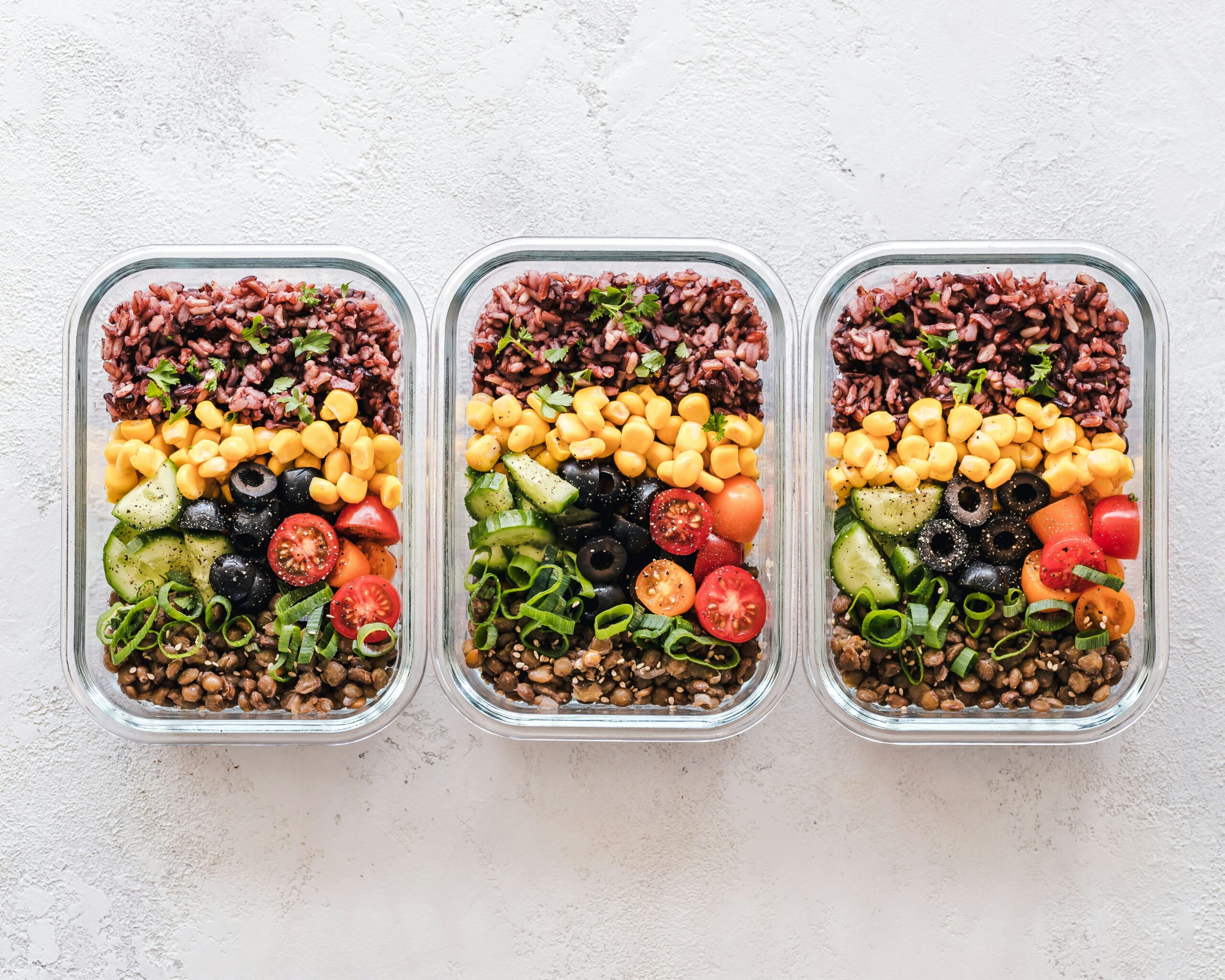
There's a point in the week - usually right before the pace picks up - when having a few prepared ingredients in the fridge makes all the difference. Meal prep isn't about perfection or rigid planning; it's about creating a foundation that supports balanced eating, steady blood sugar, and less stress during busy days.
Over time, I've found that the most effective approach is simple: prepare a few proteins, a couple of starches, some vegetables, and a sauce or two. With those components ready, you can assemble meals in minutes without feeling like you're eating the same thing every day.
This guide walks through the building blocks that hold up well in the fridge, how to keep salads and wraps from getting soggy, how to store everything properly, and how to mix and match ingredients into balanced meals. Whether you're meal prepping for diabetes management or general healthy eating, these strategies work for both.
Starting off: Proteins That Reheat Well and How to Cook Them
Some proteins dry out quickly, while others stay tender and versatile throughout the week. These are the ones that consistently perform well - plus simple cooking instructions for readers who want a confidence boost.
Shredded Chicken
Bake at 375°F for 20-25 minutes or slow cook 4-6 hours on low, then shred or pulse in a processor. Even easier, buy a rotisserie chicken and shred. Some stores even have ones already shredded for you.
Ground Turkey or Beef
Cook in a skillet over medium heat, breaking apart with a spatula, until no longer pink (about 6-8 minutes). Season with simple salt and pepper or more ideas below.
Chicken Thighs
Season with salt and pepper and bake at 400°F for 15-20 minutes until internal temp reaches 165°F.
Turkey Meatballs
Bake at 400°F for 15-18 minutes or pan‑sear and simmer in sauce.
Chicken Sausage
Slice and sauté 5-7 minutes until browned, or bake whole at 400°F for 12-15 minutes.
Hard‑Boiled Eggs
Boil 10-12 minutes, then cool in ice water.
Egg Muffins
Whisk eggs + veggies + cheese and bake at 350°F for 18-22 minutes.
Lentils
Simmer in broth 20-25 minutes until tender.
Pulled Pork or Carnitas
Slow cook 6-8 hours on low, then shred.
Salmon
Bake at 400°F for 10-12 minutes; best eaten within 2-3 days.
Shrimp
Sauté 2-3 minutes per side until pink; best eaten early in the week.
Tofu
Press to remove moisture, then bake at 400°F for 25-30 minutes or pan‑sear until golden.
These proteins pair easily with a variety of vegetables, starches, and sauces, making them ideal for flexible meal prep.
Next up: Starches That Support Steady Blood Sugar
Having a cooked starch ready to go makes balanced meals much easier. These options hold up well in the fridge and offer more fiber and slower digestion:
- Quinoa
- Brown rice
- Chickpea or GF pasta
- Sweet potatoes
- Roasted potatoes
- Black beans
- Pinto beans
- Lentils
- Corn or whole‑grain/or gluten-free tortillas
These starches reheat well and can be used in bowls, wraps, salads, or quick skillet meals.
Next: Vegetables That Stay Fresh and Don't Turn Mushy
Cooked vegetables that reheat well
- Roasted broccoli
- Roasted cauliflower
- Peppers and onions
- Green beans
- Roasted carrots
- Brussels sprouts
- Mushrooms
- Asparagus
- Sautéed zucchini
- Cabbage
Fresh vegetables that stay crisp
- Cucumbers
- Cherry tomatoes
- Shredded carrots
- Bell peppers
- Red onion
- Romaine
- Cabbage slaw mix
- Snap peas
- Radishes
These vegetables maintain texture and color throughout the week.
Putting It All Together:
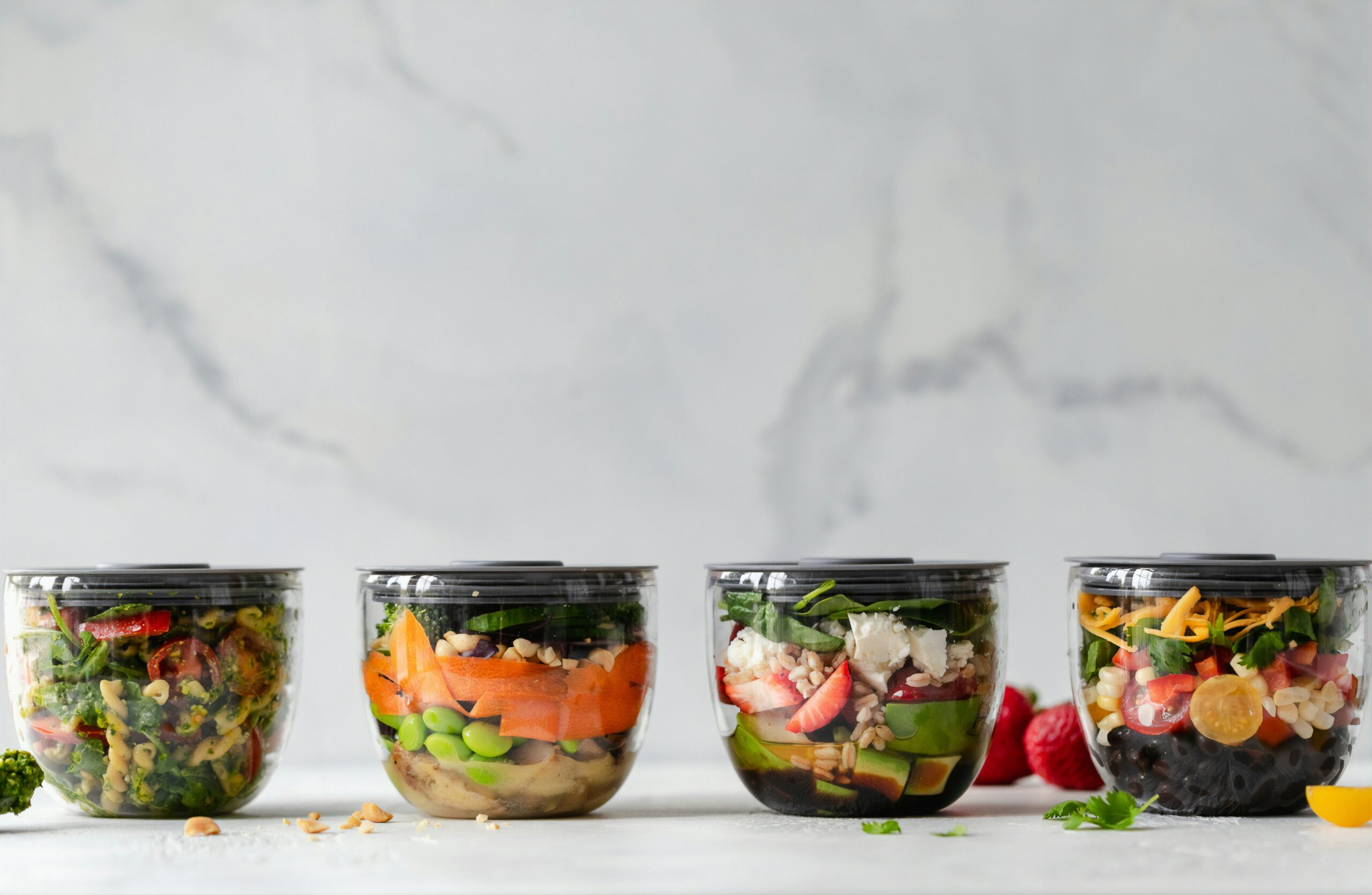
How to Prep Salads That Stay Fresh 4-5 Days
The key to long‑lasting salads is layering ingredients in the right order:
- Dressing on the bottom
- Sturdy vegetables (carrots, cabbage, peppers)
- Beans or grains
- Protein
- Greens on top
Keep tomatoes and cucumbers separate until serving. Add avocado and crunchy toppings right before eating. This method keeps salads crisp and prevents sogginess.
How to Prep Wraps and Burritos Without Sogginess
Wraps and burritos can be meal‑prep friendly with a few adjustments:
- Use low‑moisture fillings (chicken, beans, cheese, cabbage)
- Pat cooked vegetables dry
- Add sauces only when serving
- Wrap tightly in foil
- Store 3-4 days
Almond‑flour and whole‑grain tortillas hold up especially well.
How to Store Meal Prep & The Best Containers to Use
Good storage makes just as much difference as the food itself. The right containers keep meals fresh longer, prevent sogginess, and make it easier to grab balanced options during the week.
Best Types of Containers
Glass containers with locking lids Airtight, durable, stain‑resistant, and microwave/oven safe. Such as these from Amazon: https://amzn.to/4xv8Yct
Divided containers Keep components separate and prevent soggy textures.
Mason jars Ideal for layered salads, overnight oats, chia pudding, and sauces. Such as these from Amazon: https://amzn.to/4uHyNU8
Silicone bags Space‑saving, freezer‑friendly, and great for cooked proteins or veggies. Silicone bags: https://amzn.to/4effe0u
Small airtight containers Perfect for sauces, dressings, dips, and crunchy toppings.
General Storage Tips
- Let hot foods cool before sealing
- Store sauces separately when possible
- Keep greens and crunchy toppings separate
- Label containers if prepping for the full week
- Most cooked proteins, grains, and veggies last 3-5 days
Finishing Touches: Quick Sauces & Dressing:
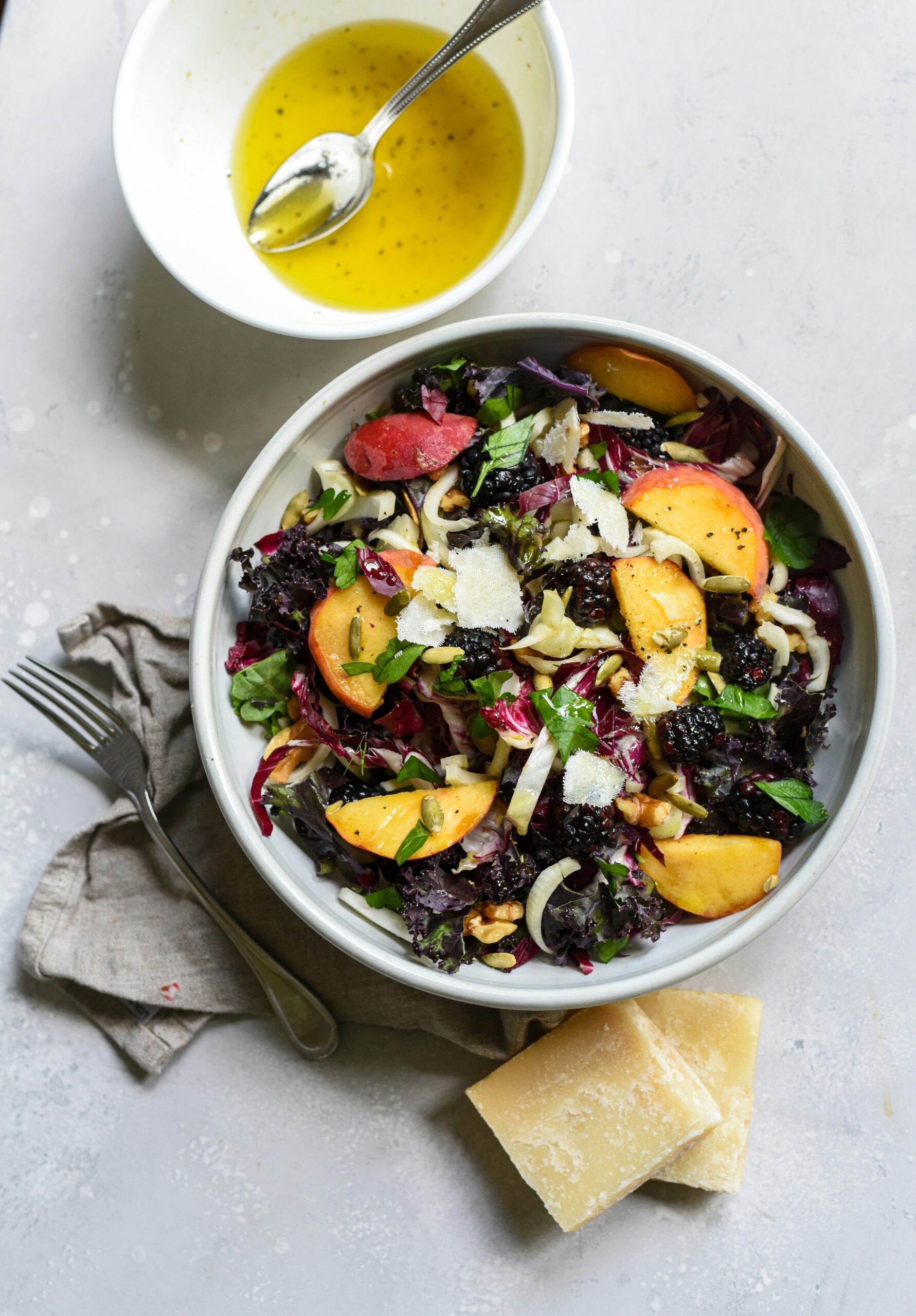
Sauces add variety and make simple ingredients feel like a complete meal:
- Salsa verde yogurt sauce
- Chipotle yogurt
- Honey mustard
- Simple vinaigrette
- Peanut sauce
- Cilantro lime drizzle
- Green goddess
- Smoky paprika mayo
- Greek yogurt ranch
- Tahini lemon
- Pesto
- BBQ sauce
- Buffalo sauce
These pair well with almost any protein and vegetable combination.
A Real-Life Guide:
Mix‑and‑Match Meal Prep Chart
Once you have your components prepped, you can mix and match them into endless combinations. Here's a simple chart to help you build balanced meals
| Proteins | Veggies | Starches | Sauces |
|---|---|---|---|
| Shredded chicken | Roasted broccoli | Quinoa | Salsa verde |
| Ground turkey | Roasted cauliflower | Brown rice | Chipotle mayo |
| Salmon | Peppers & onions | Sweet potatoes | Vinaigrette |
| Chicken sausage | Green beans | Roasted potatoes | Peanut sauce |
| Lentils | Carrots | Chickpea pasta | Honey mustard |
| Turkey meatballs | Cabbage slaw | Black beans | Greek yogurt ranch |
| Pulled pork | Spinach | Pinto beans | Pesto |
| Hard‑boiled eggs | Romaine | Lentils | Tahini lemon |
| Tofu | Zucchini | Corn tortillas | BBQ sauce |
| Shrimp | Mushrooms | Whole‑grain tortillas | Buffalo sauce |
Example Combos
Once you have your components prepped, you can mix and match them into endless combinations. Here's a simple chart to help you build balanced meals.
- Shredded chicken + zucchini + quinoa + salsa verde
- Ground turkey taco meat + peppers & onions + black beans + chipotle mayo
- Salmon + green beans + sweet potatoes + lemon tahini
- Chicken sausage + spinach + pasta + pesto
- Lentils + carrots + chickpea pasta + vinaigrette
- Shrimp + cabbage slaw + brown rice + cilantro lime sauce
- Pulled pork + sautéed zucchini + pinto beans + BBQ sauce
- Turkey meatballs + mushrooms + quinoa + Pesto
- Tofu + roasted broccoli + brown rice + peanut sauce
Serving Size: A Practical, Real‑Life Guide
Serving size varies from person to person. Factors like height, weight, age, gender, muscle mass, and activity level all influence how much food your body needs.
Visual cues make balanced eating easier:
- Protein: 1 palm (3-5 oz)
- Starch: 1 palm (½-1 cup cooked)
- Vegetables: 2 palms (1-2 cups)
This approach supports steady blood sugar and helps meals feel satisfying without being overly restrictive.
Breakfast Meal Prep That Lasts All Week
Egg Muffins
Lasts 4-5 days • Add veggies + cheese • Reheat 20-30 seconds
Breakfast Burritos
Lasts 3-4 days • Wrap tightly in foil • Reheat in air fryer or microwave
Protein Pancakes
Lasts 3-4 days • Freeze well • Reheat in toaster
Chia Pudding
Lasts 4-5 days • Add fruit fresh
Overnight Oats
Lasts 3-4 days • Add nuts or fruit before eating
Conclusion
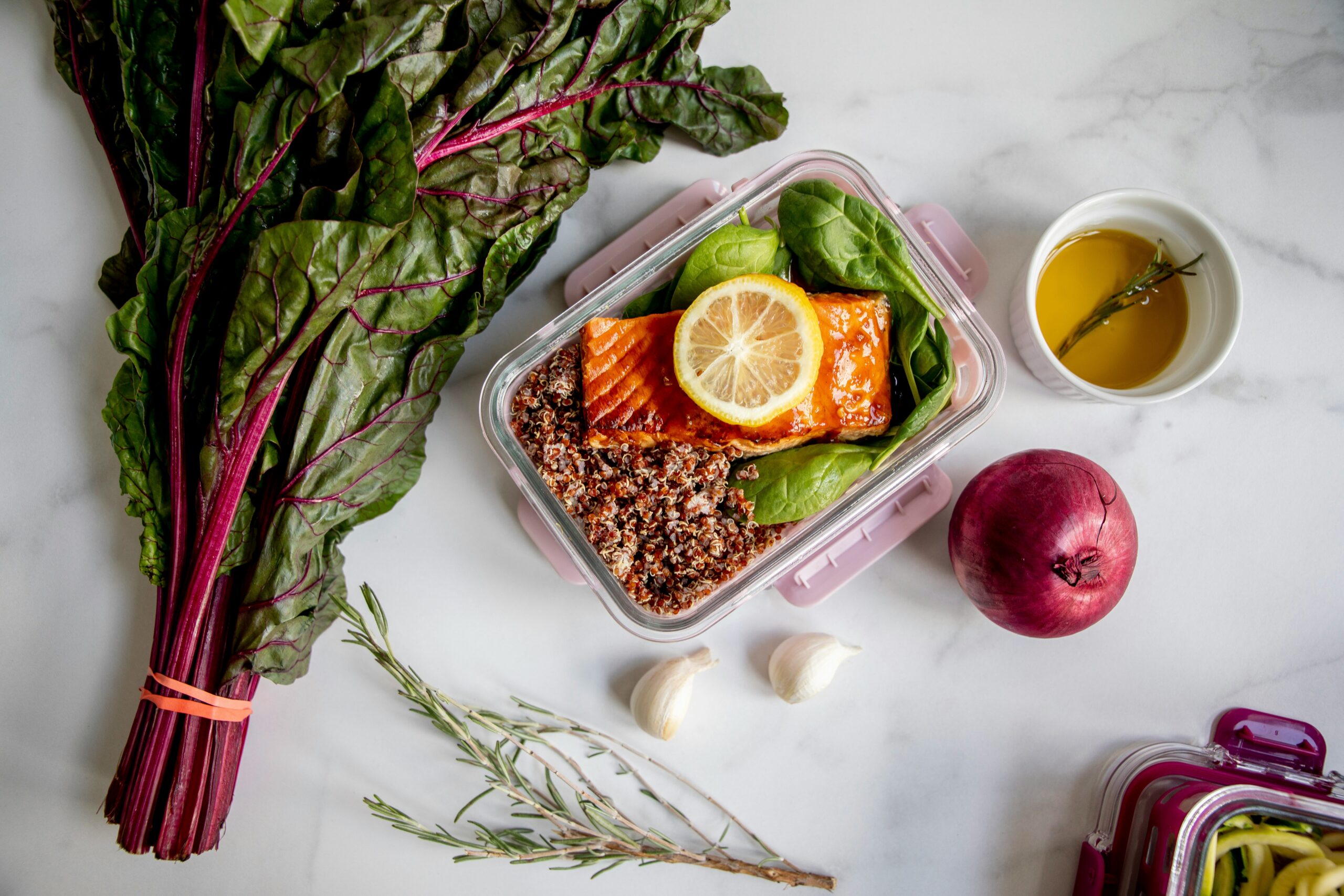
Meal prep doesn't have to be complicated to be effective. With a few well‑chosen proteins, vegetables, starches, and sauces, you can build balanced meals that support steady blood sugar and make the week feel more manageable. The goal isn't perfection - it's creating a foundation that gives you flexibility, reduces stress, and helps you stay nourished even on the busiest days. A little preparation goes a long way, and the more you practice, the more intuitive it becomes.
If you're ready to put these ideas into action, check out some of my meal prep-friendly recipes below.
Healthy Oatmeal Bake - Flourish Without Flour
Peanut Butter Cup Chia Pudding - Flourish Without Flour
Egg Bites - Flourish Without Flour
4 Ingredient Sheet-Pan Sausage with Cabbage and Onions - Flourish Without Flour

Comments
No Comments